
can cats eat blueberries?
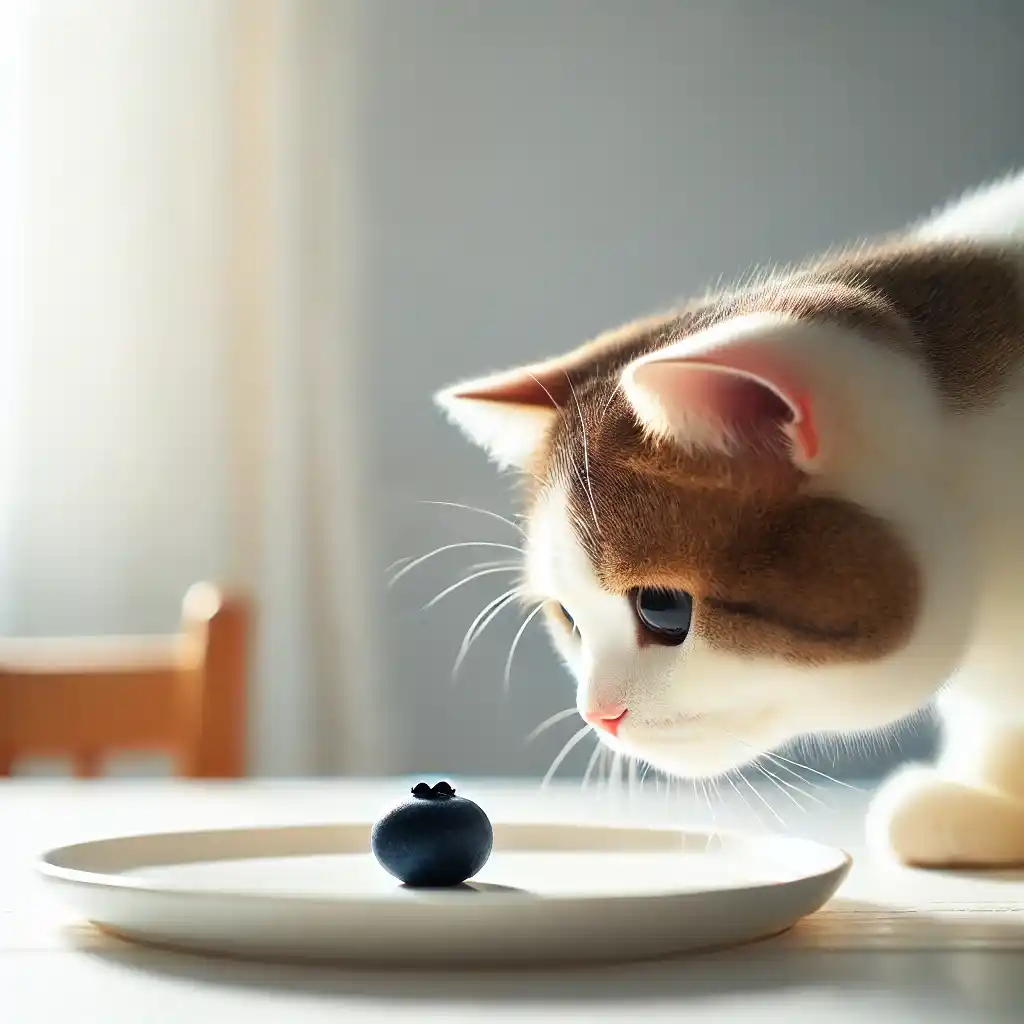
Yes, cats can eat blueberries in small and controlled quantities. They are non-toxic to felines and contain antioxidants and vitamins that can be beneficial. However, they are not a necessary part of a cat’s carnivorous diet and contain sugar. Due to their size, they can also pose a choking hazard, so it’s best to cut them in half. Offer them only as an occasional, small treat rather than a regular part of their meals. Always monitor your cat after introducing any new food.
Can Cats Eat Strawberries?
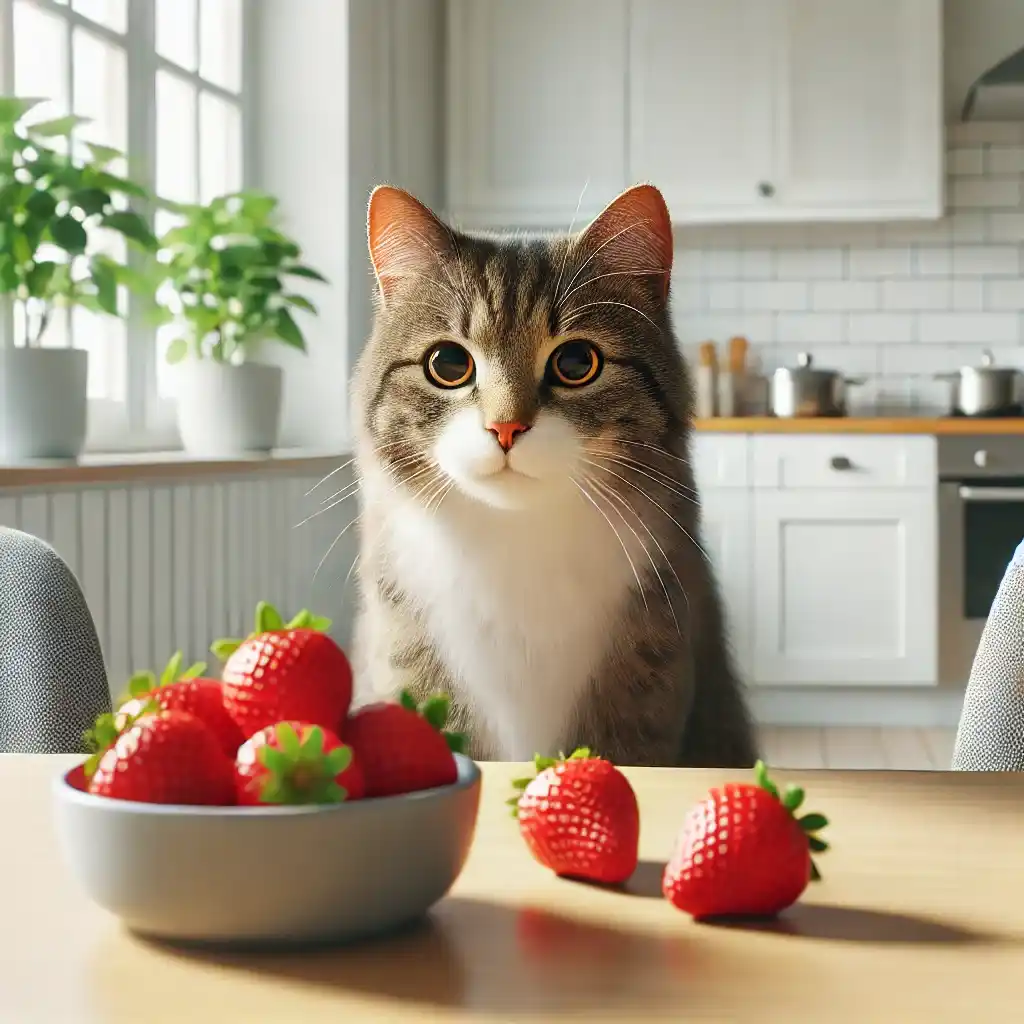
Yes, cats can eat strawberries, but only in very small amounts and with the leaves and stem removed. They are not toxic to cats, but they are high in sugar, which is not suitable for a feline’s dietary needs and can lead to digestive upset or weight gain over time. Cats are obligate carnivores and lack the ability to taste sweetness, so they may not even be interested. Think of it as a rare, novel treat rather than a healthy snack with any real benefits for them.
Can Cats Eat Dog Food?
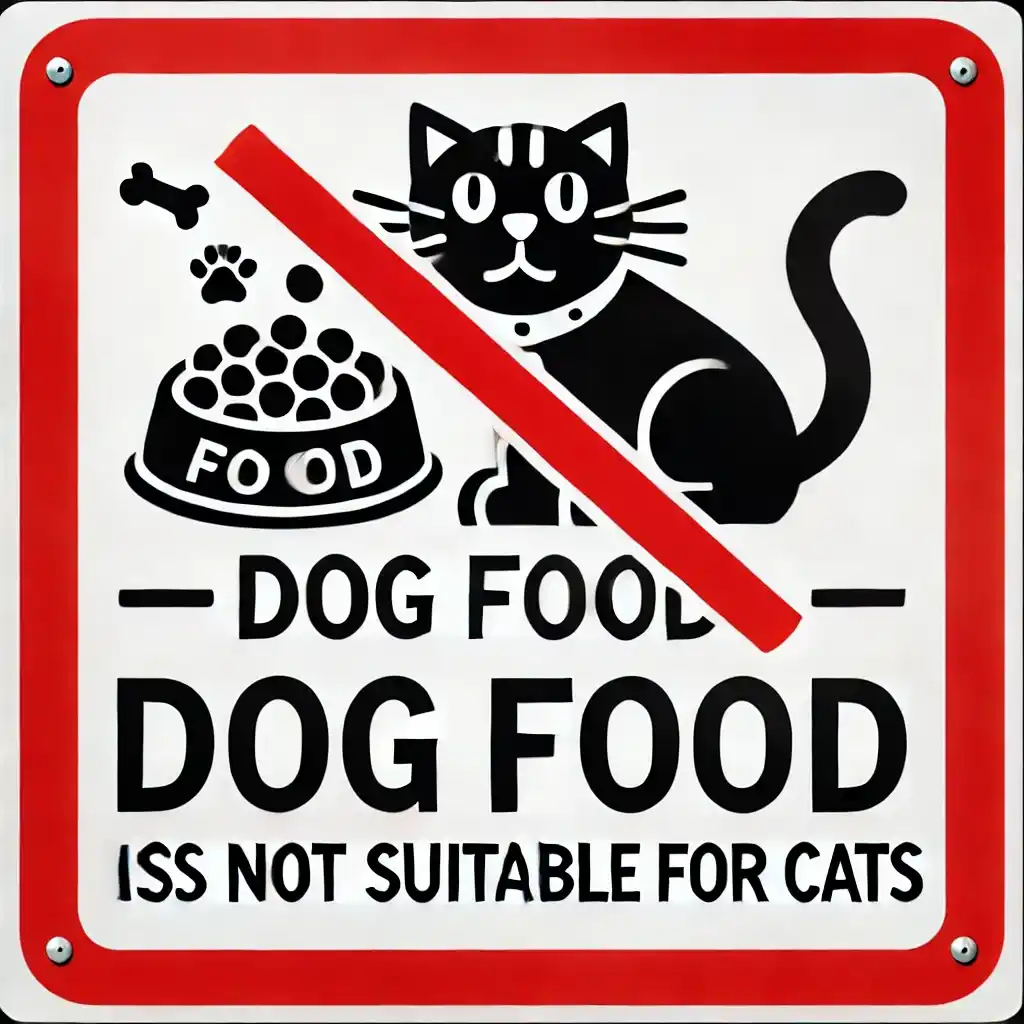
No, cats should not eat dog food as a regular part of their diet. While a single, accidental bite is not toxic and won’t cause immediate harm, a long-term diet of dog food is very dangerous. It lacks essential nutrients that are vital for feline health, most notably taurine, arachidonic acid, and adequate levels of protein. A deficiency in these can lead to severe health issues, including heart disease and blindness. Cats must eat food specifically formulated for their unique nutritional needs.
Can Cats Eat Bread?
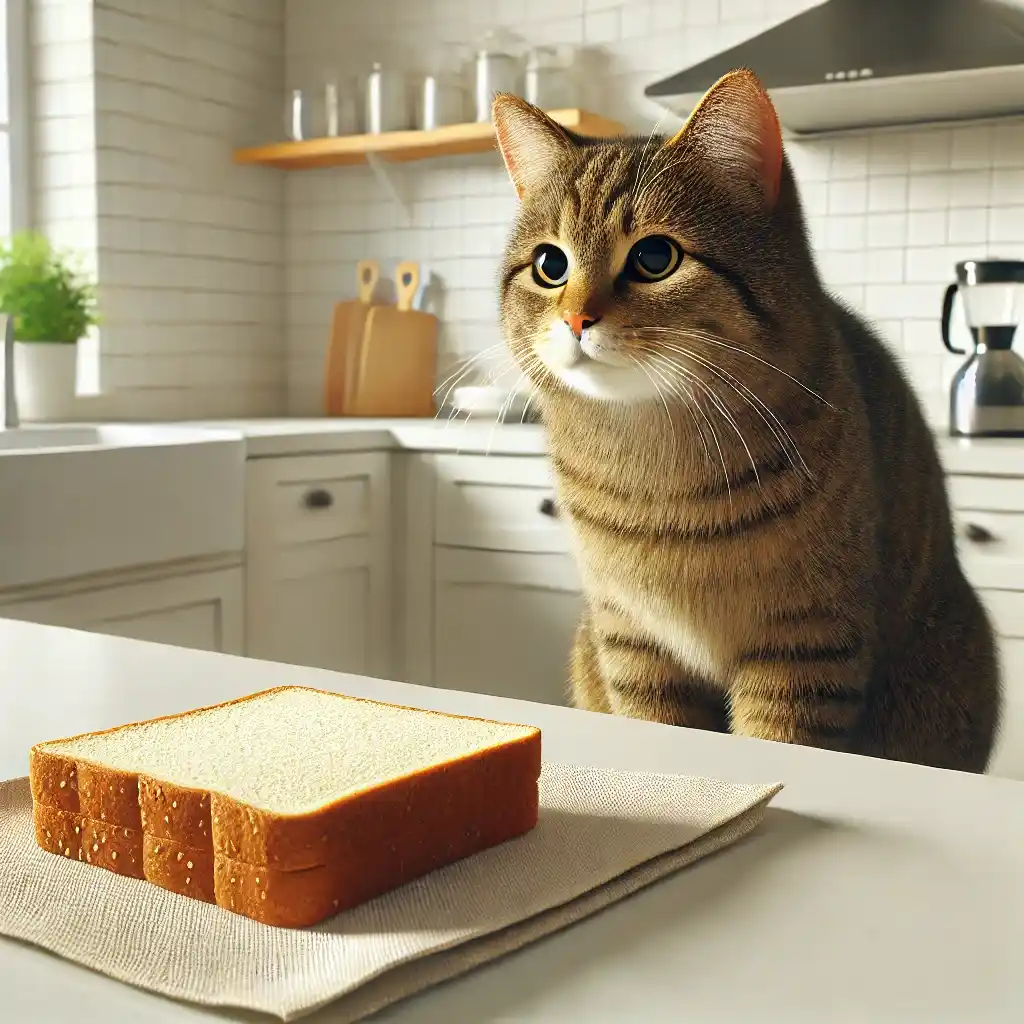
Yes, a small piece of plain, baked bread is generally not toxic to cats, but it is not recommended. Bread offers no nutritional value for felines and is essentially “empty calories,” which can contribute to weight gain. Crucially, you must never allow a cat to eat raw bread dough, as the yeast can ferment in their stomach, causing dangerous bloating and alcohol poisoning. It is a medical emergency. It’s best to skip the bread and offer a species-appropriate treat instead.
Can Cats Eat Watermelon?

Yes, cats can eat watermelon in small quantities, but with the seeds and rind completely removed. It is non-toxic and its high water content can be hydrating. However, watermelon is also high in sugar, which is not ideal for a cat’s diet and can cause digestive issues if they eat too much. It offers very little nutritional value for an obligate carnivore. Consider it a safe, hydrating, but sugary treat to be offered only on rare occasions in tiny amounts.
Can Cats Eat Chocolate?

No, cats absolutely cannot eat chocolate. It is highly toxic to them due to two chemical compounds: theobromine and caffeine. A cat’s body cannot metabolize these substances, which can lead to severe poisoning. Symptoms include vomiting, diarrhea, rapid heart rate, seizures, and in severe cases, death. Dark chocolate and baking chocolate are the most dangerous. Keep all forms of chocolate securely stored away from your pets at all times.
Can Cats Eat Eggs?

Yes, cats can eat cooked eggs in moderation as they are a great source of protein and amino acids. However, they must be fully cooked, such as scrambled or boiled, without any salt, spices, or oil. Never feed a cat raw eggs, as this carries the risk of salmonella and E. coli poisoning. Additionally, a protein in raw egg whites called avidin can interfere with the absorption of the essential B vitamin biotin. Cooked eggs make a healthy, protein-rich treat.
Can Cats Eat Cheese?
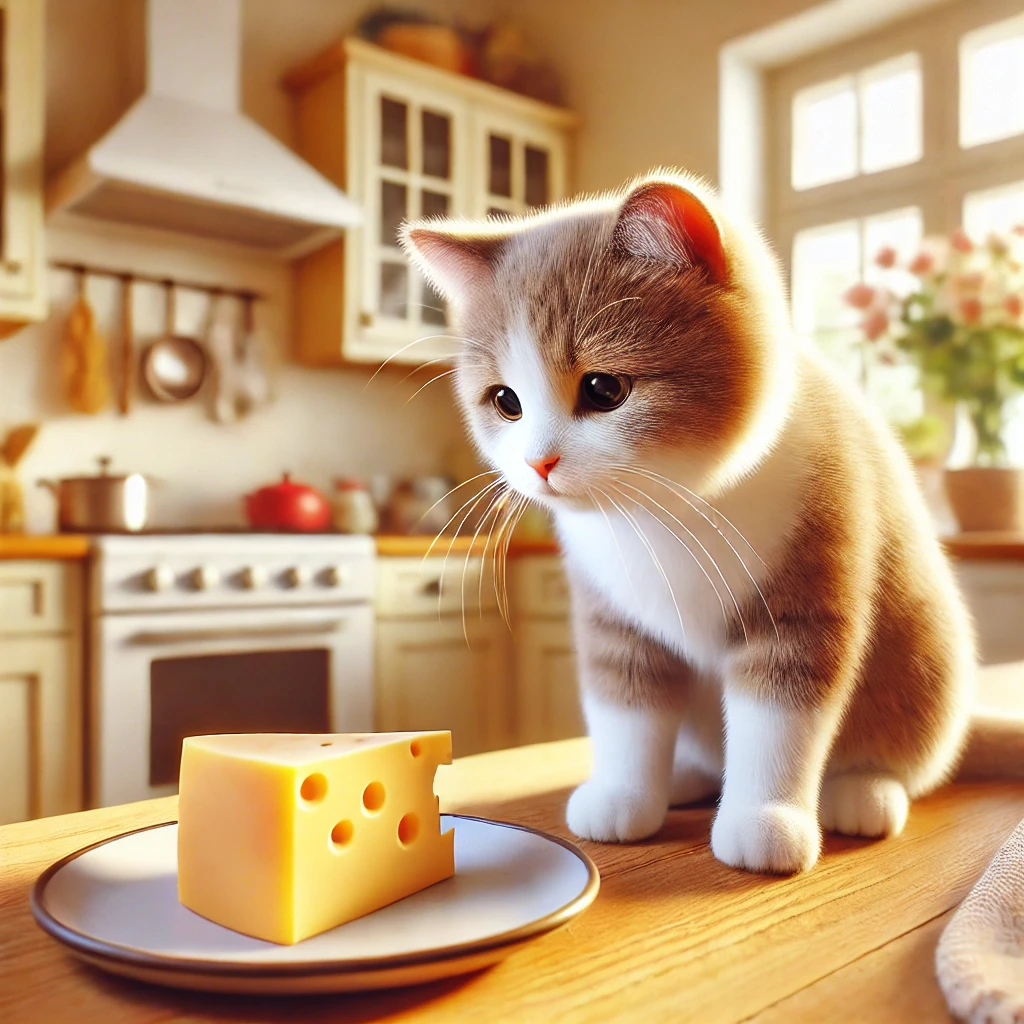
The short answer is that most cats should not eat cheese. While many cats are attracted to it, the majority are lactose intolerant, meaning dairy can cause digestive upset like diarrhea and vomiting. Cheese is also high in fat and salt, which are unhealthy for cats and can lead to obesity and other health issues over time. A very small piece as an occasional treat is unlikely to be harmful for a non-lactose intolerant cat, but it’s not recommended. Safer, species-appropriate treats are always a better choice.
How to Keep F7 Savannah Cat Entertained?

Keeping an F7 Savannah cat entertained requires addressing their high intelligence and energetic nature. They need significant mental and physical stimulation far beyond that of a typical domestic cat. Key strategies include providing plenty of vertical space with tall cat trees and shelves for climbing. Engage them with daily, structured interactive play using wand toys and puzzle feeders to challenge their minds. Many Savannahs also enjoy leash training for safe outdoor adventures. A failure to meet their high-energy needs can result in boredom and destructive behaviors.
Are Orchids Toxic to Cats?
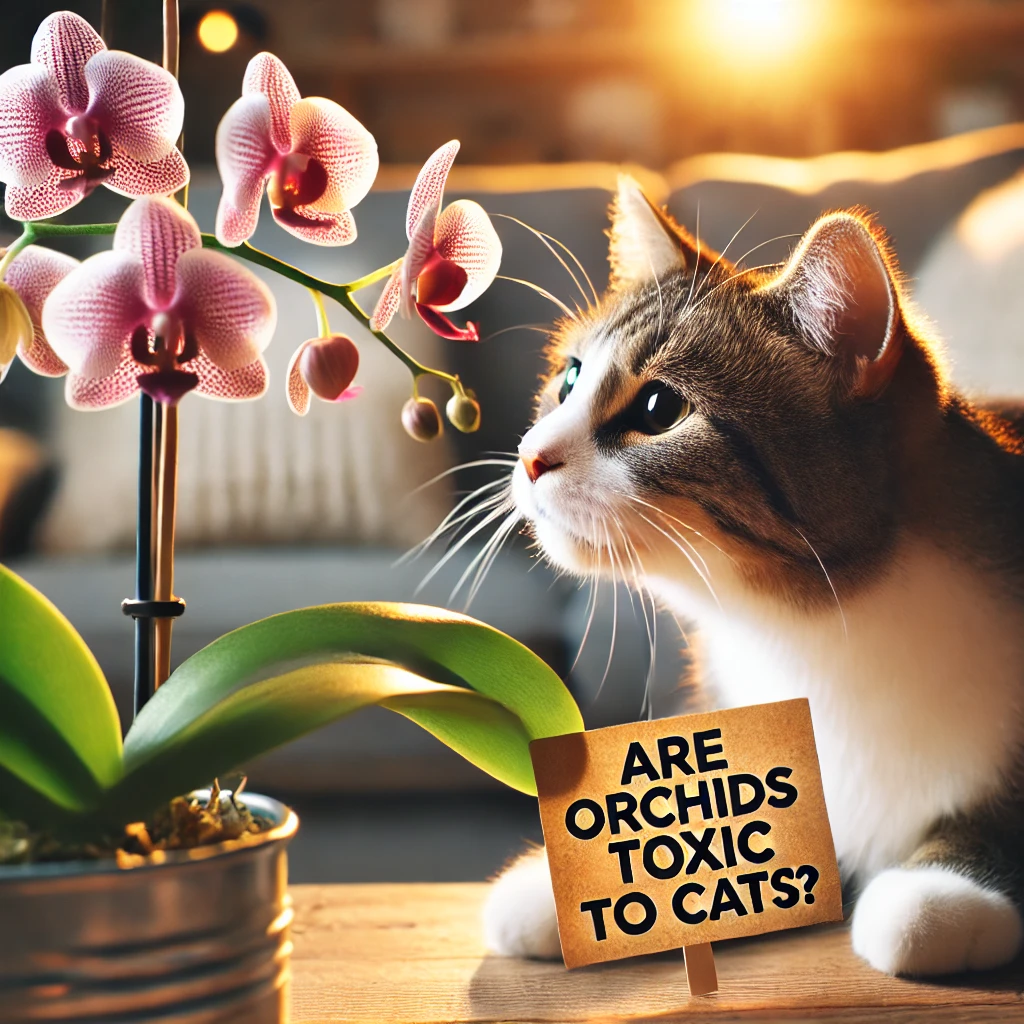
Most common household orchids, particularly those from the Phalaenopsis genus (Moth Orchids), are considered non-toxic to cats. If a cat chews on the leaves or flowers, it is unlikely to cause serious poisoning. However, any ingested plant matter can potentially lead to mild gastrointestinal upset like vomiting or diarrhea. It’s also important to be cautious of any pesticides or fertilizers used on the plant, as those can be harmful. While the plant itself is safe, it’s always best to discourage pets from eating houseplants.